AI Content Creation Dominates the Feed
Open your feed and count the ads: much of what you scroll past is now made with AI content creation, not a camera. In early 2026, 83% of advertisers said they had built AI into their creative process, up from 60% a year earlier, and 85% now use it for social ads (IAB and Sonata Insights, 2026). This guide shows how AI content creation already shapes the paid-social feed, why it performs, what it looked like across four real campaigns we produced, where a human still matters, and how your brand can start. Our own approach lives on our AI content creation page.

Is AI content creation already taking over the feed?
Scroll for a minute and the odds are high that at least one ad in front of you never met a camera. The shift is fast. In 2023, roughly 8% of enterprise teams used AI to make ad creative; by 2025 that reached 43%, and among e-commerce and SaaS brands it is 58% (Zocket, 2025). Video moved fastest of all: AI-made video ads grew more than 280% year over year. What was a novelty two years ago is now a normal part of the feed, and most people have noticed. In 2026, 71% of younger consumers said they believe they have already seen an AI-created ad, up from 54% a year earlier (IAB, 2026). AI content creation is not coming. It is already here.
Why does AI content creation win in paid social?
Paid social rewards speed, volume and relevance, and that is exactly where AI content creation is strong. A video that cost 50 dollars and ten minutes to generate in 2024 now takes 60 to 90 seconds at a dollar or two (Zocket, 2025). That changes the economics of testing. Instead of one hero asset, a brand can ship twenty variants, learn what the feed responds to, and double down. Teams report campaigns launching 35 to 45% faster and production costs falling by around a fifth once AI is in the workflow (Zocket, 2025). Done with real art direction, the output is not just cheaper. Early data suggests AI-assisted creative can outperform average human creative by 12 to 18% on click-through and conversion (Zocket, 2025). The catch: this only holds when the work is directed, not just prompted.
83% of advertisers now deploy AI somewhere in the creative process, up from 60% a year earlier, and 85% use it specifically for social media ads.
What does AI content creation look like across industries?
Numbers are one thing. Proof is another. Across four recent campaigns, we produced the creative end to end with AI content creation, on-brand and ready for paid social, in a fraction of a classic shoot. Here is what that looked like in four very different industries.
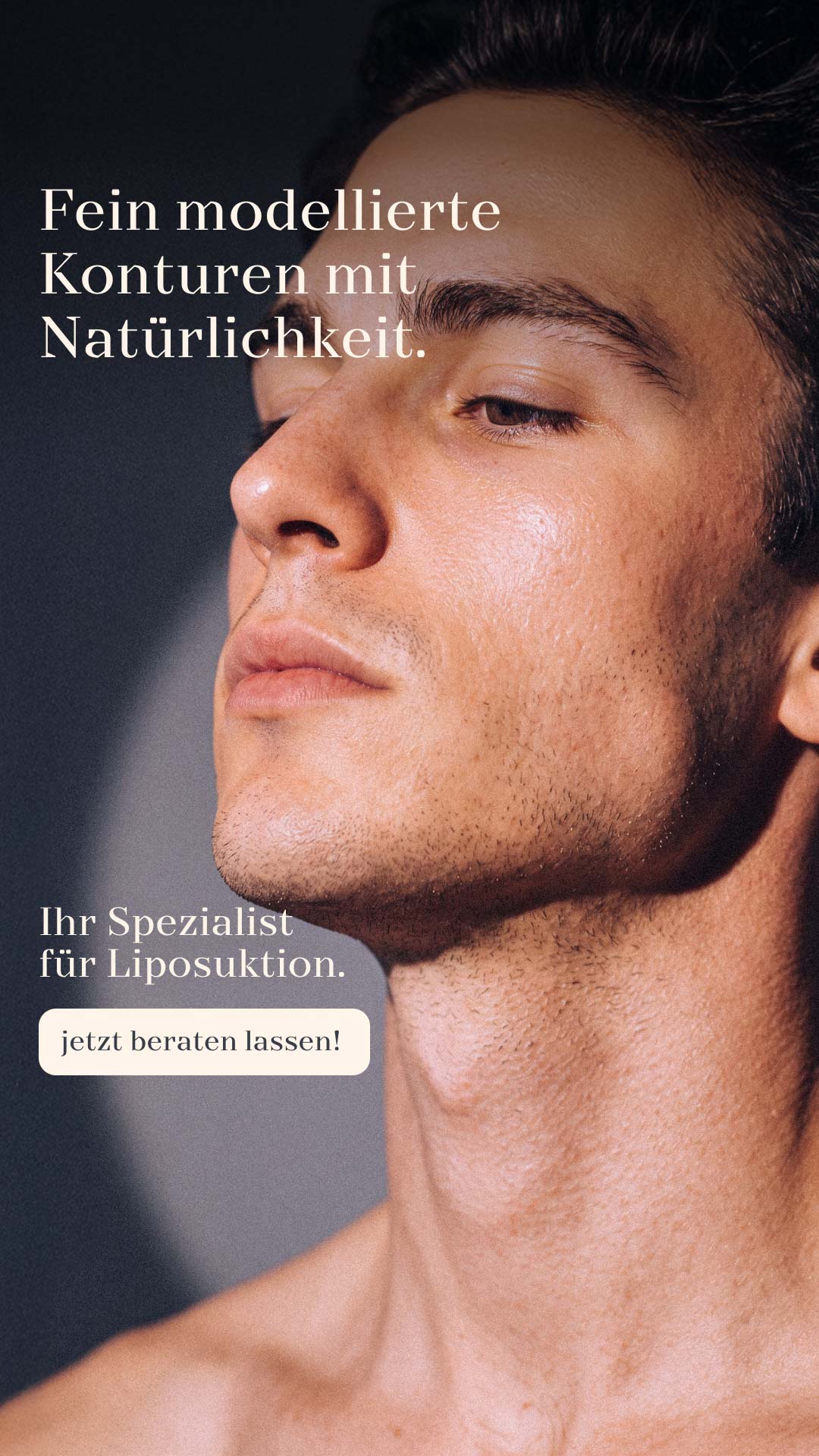
Aesthetics: For a clinic specialising in liposuction, we produced the entire campaign with AI. Model, lighting and retouch were fully generated, without a single day on set. The result is premium, on-brand creative, ready for paid social at a fraction of the usual effort.
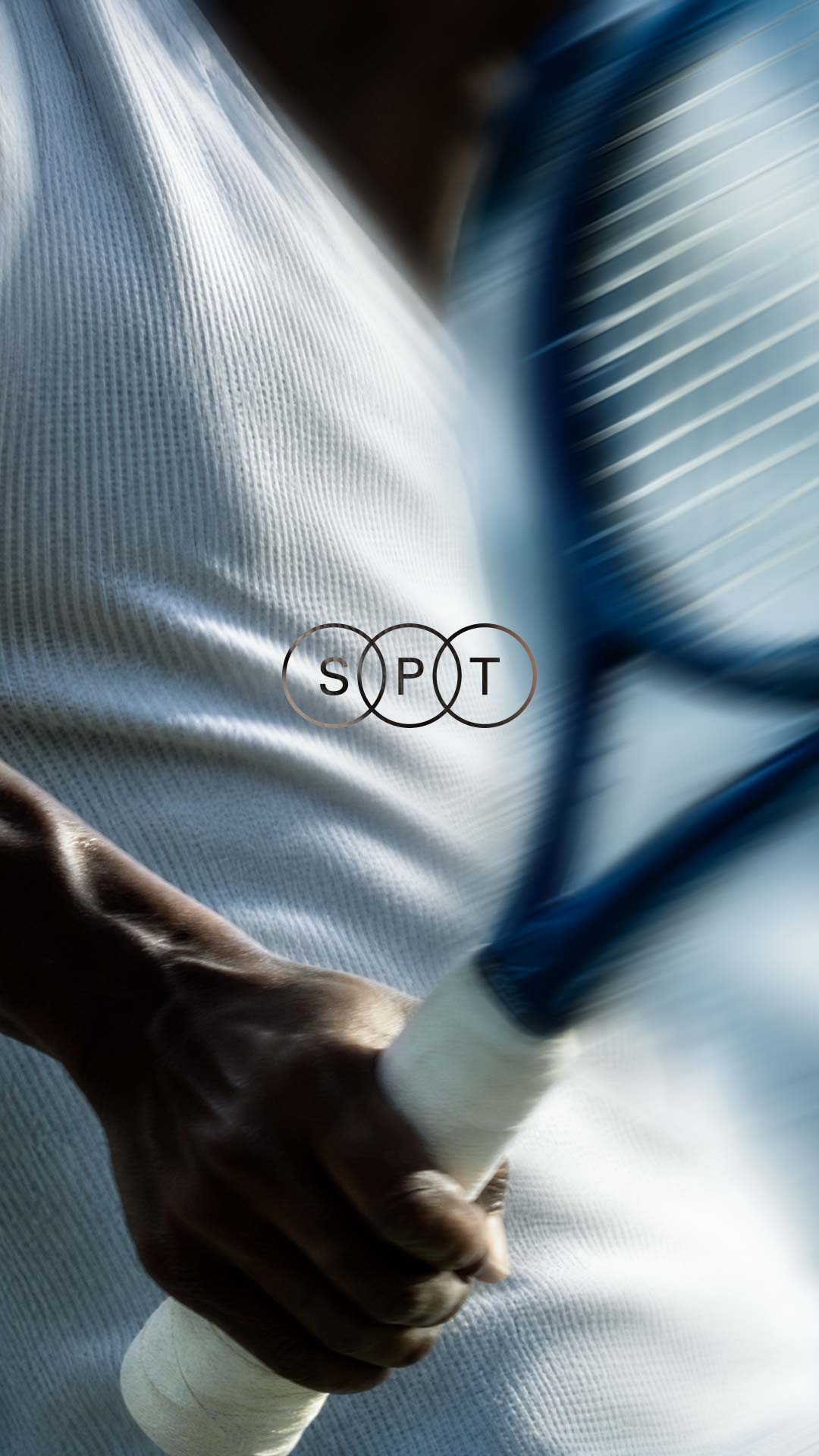
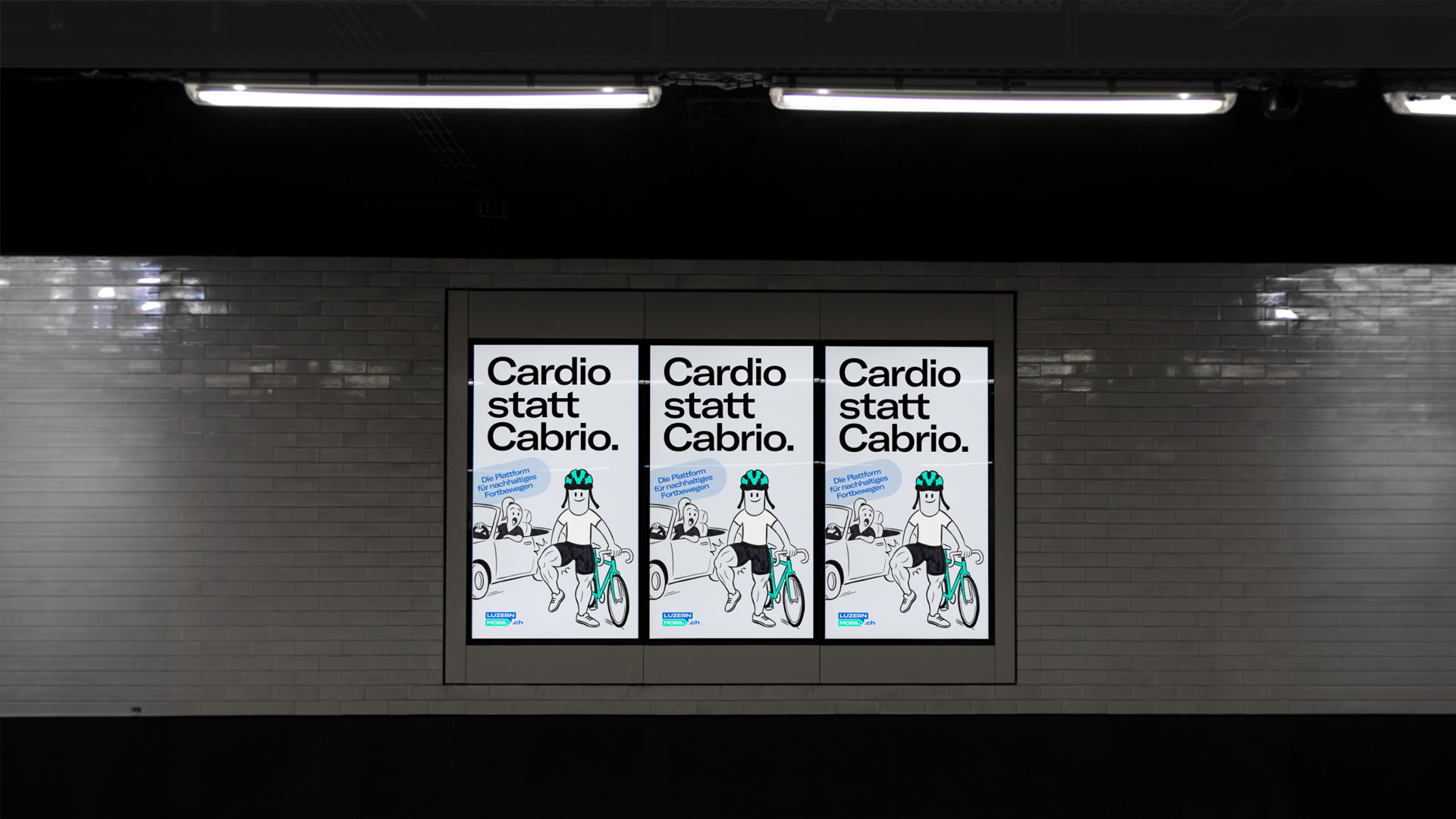
Performance sport: For a performance-tennis brand, every frame was art directed with intent. Even the motion blur, which is hard and costly to capture in-camera, was generated with AI. That gave us dynamic, energetic imagery with full creative control.
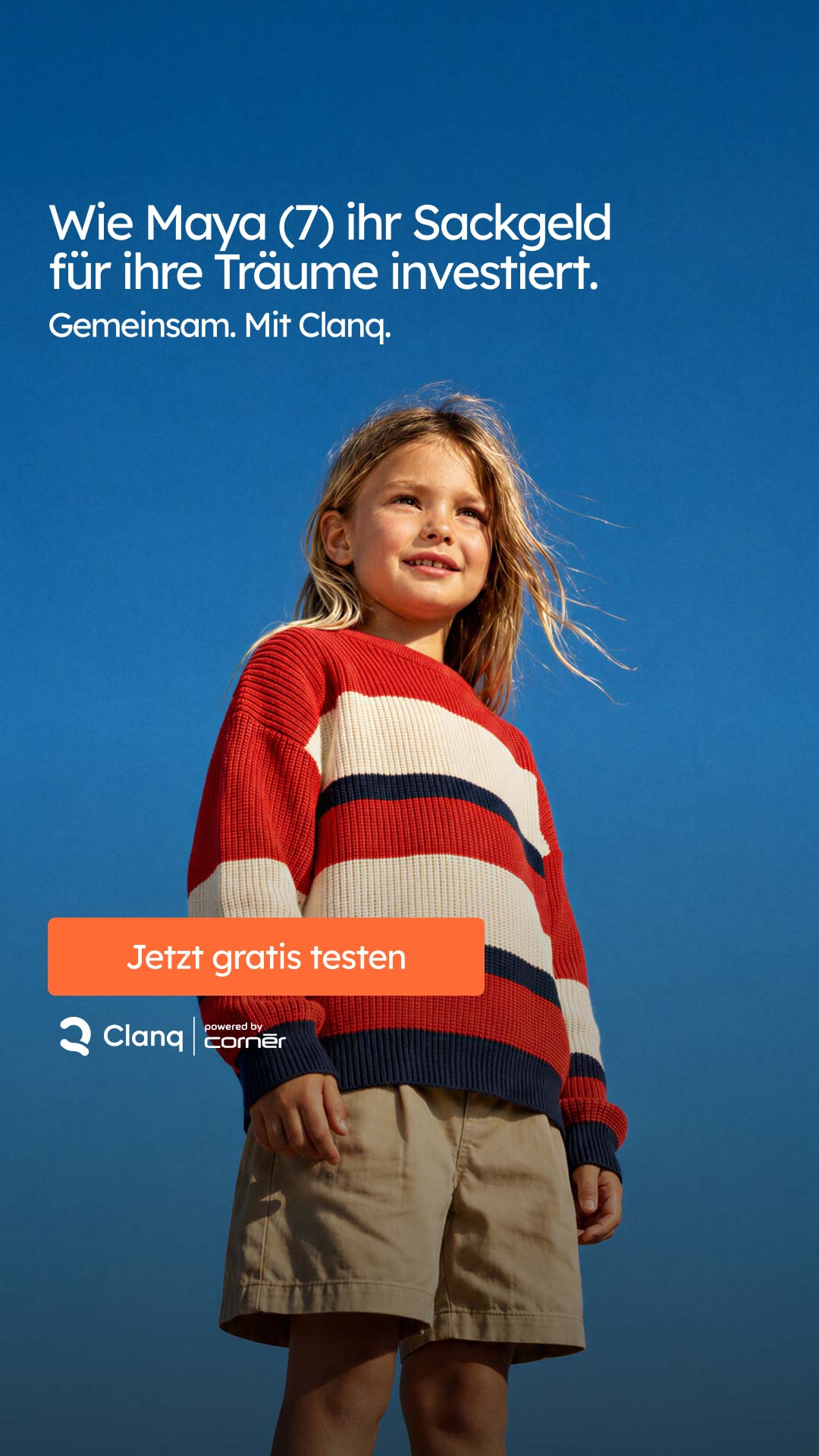
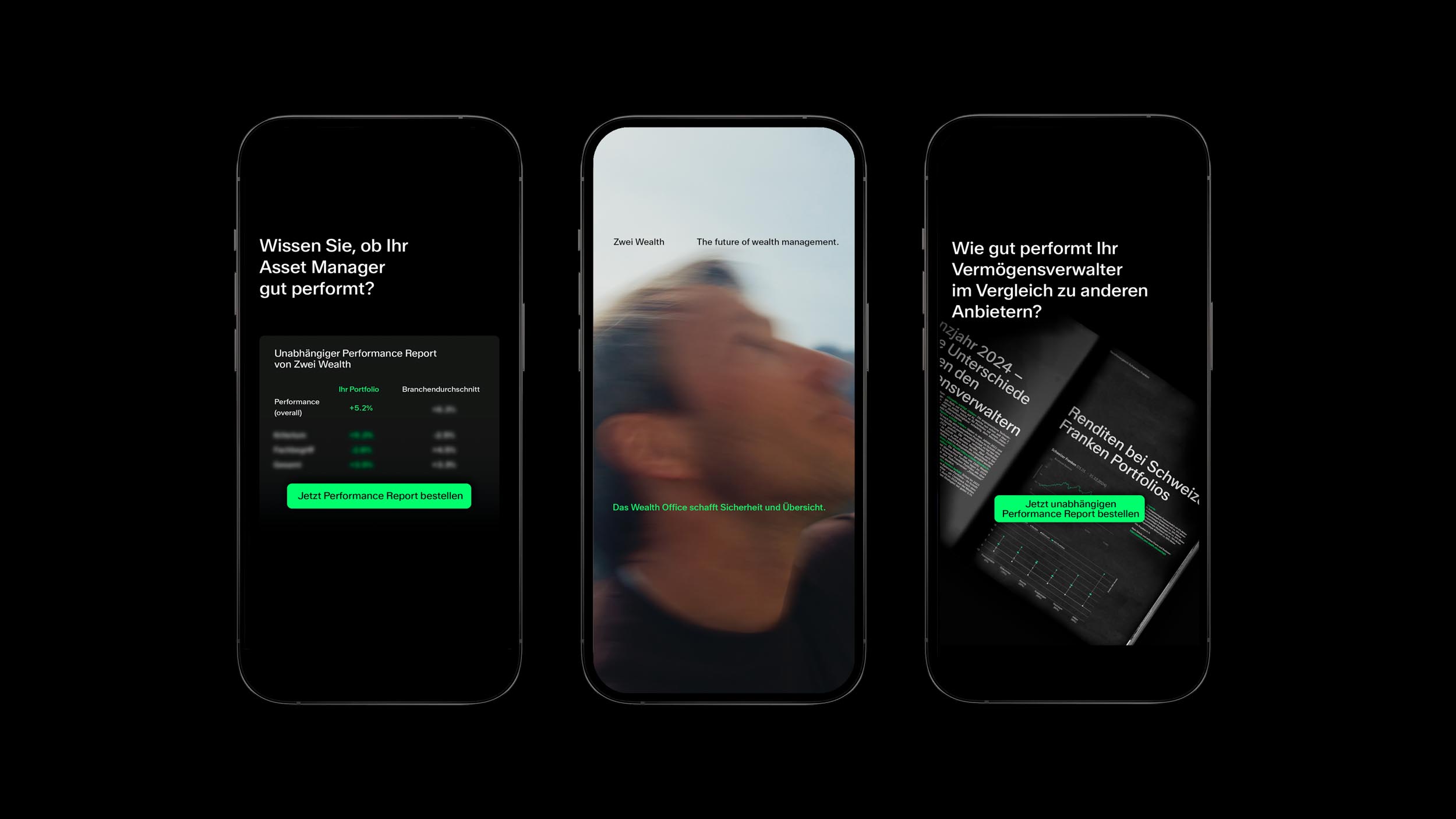
Fintech: Children, multiple people and changing scenes usually make a shoot slow and expensive. For a fintech brand, we generated these lifestyle scenes end to end, with no casting, no location and no crew, while keeping every image natural and true to the brand.
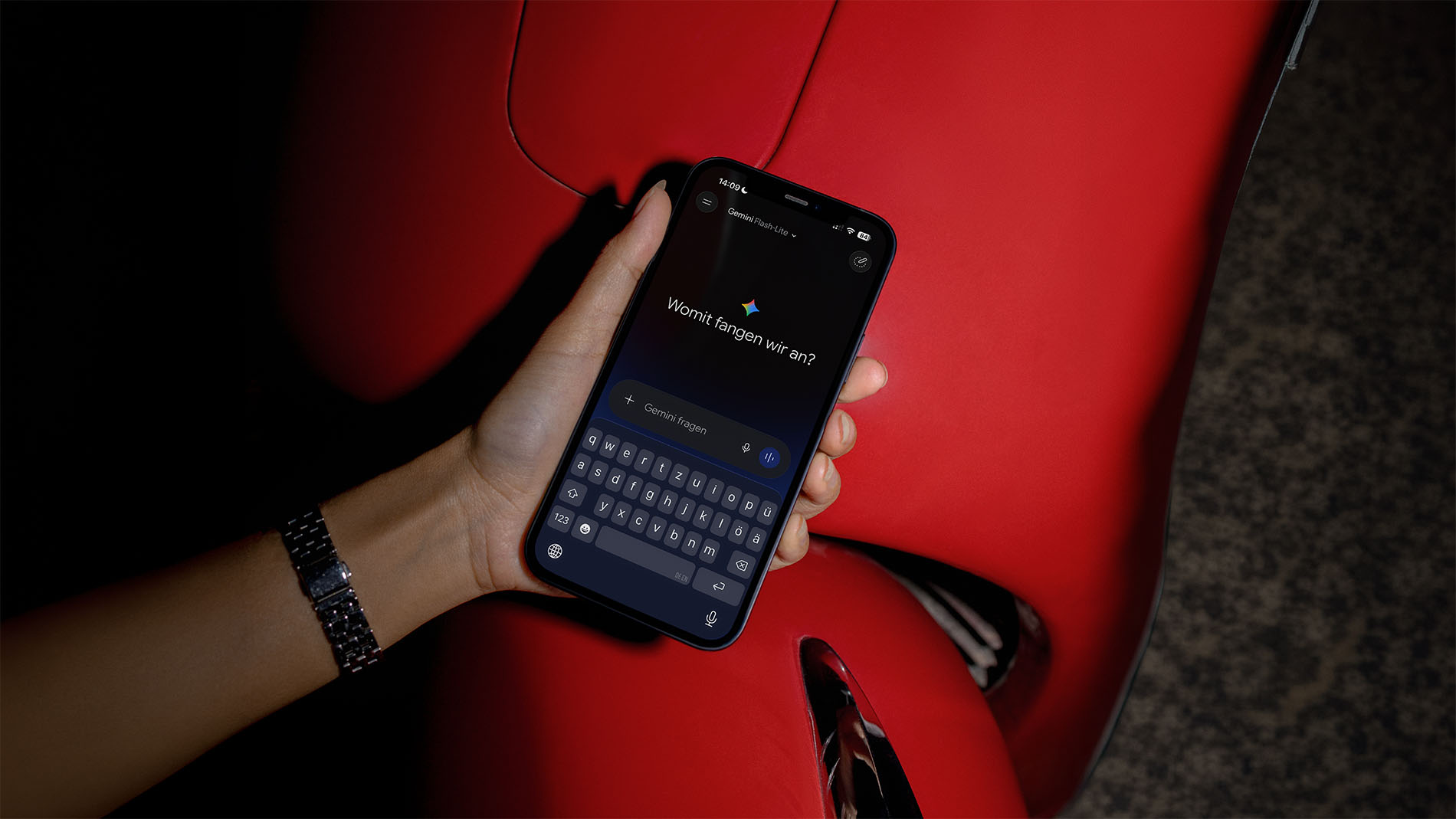
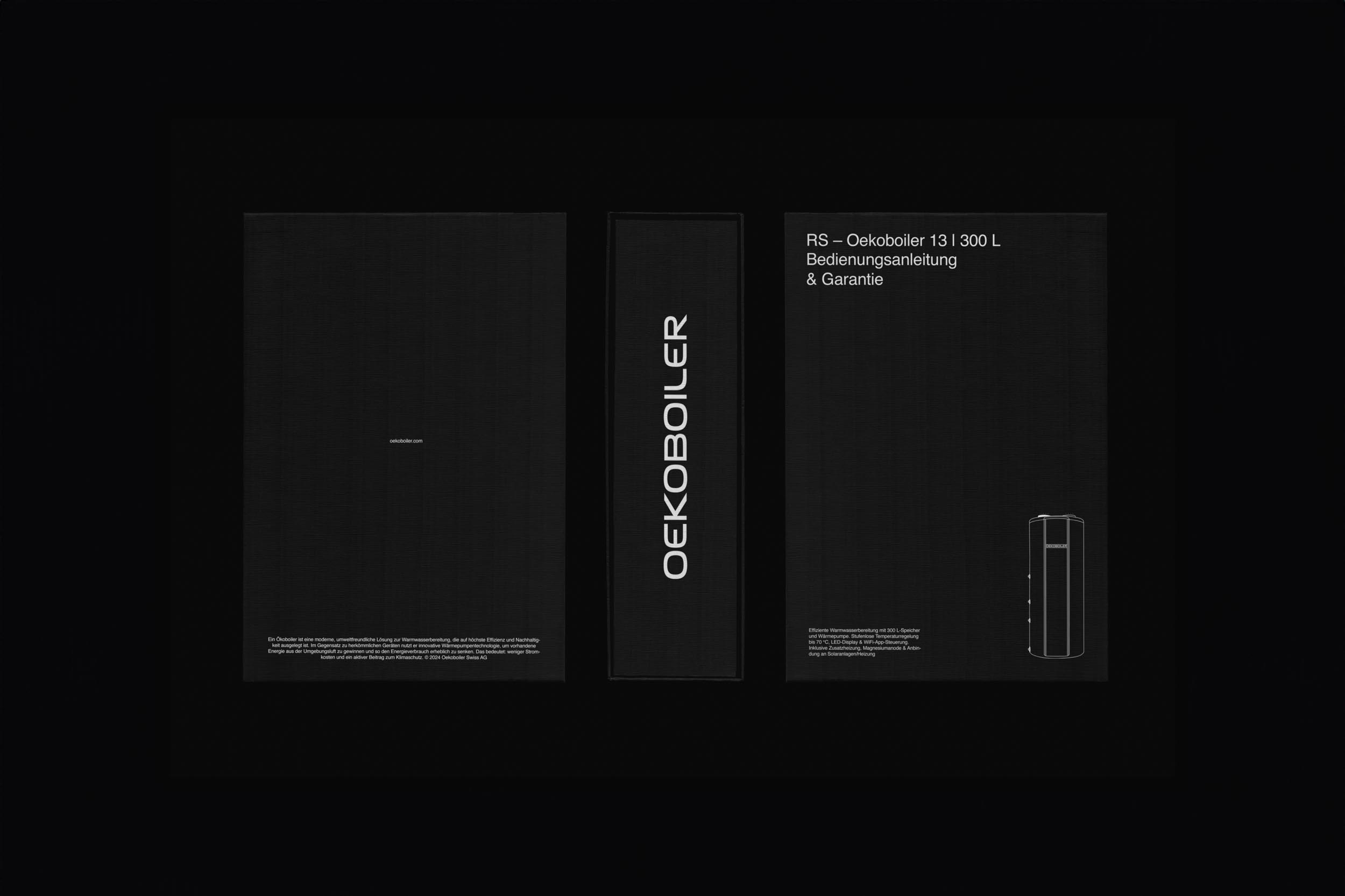
E-commerce: For an e-commerce hair-care brand, we built product visuals for advertising. Each image places the product in a clean, conversion-focused scene, consistent and easy to iterate across formats, giving the brand a full library of shopping-ready creative in a fraction of the time.

Where does AI content creation still need a human?
AI content creation is powerful, but it is not a vending machine. The campaigns above did not work because a tool was clever. They worked because someone directed them. Brand systems, casting logic, lighting and the small choices that make an image feel true still come from people. AI also gets facts and hands wrong, so every asset needs a human review before it goes live, and claims in regulated fields like health or finance need proper checks. The honest summary: AI removes the cost and time of production, not the need for taste and judgement. Treat it as a drafting engine with a creative director on top, and it delivers. Treat it as a shortcut around strategy, and the feed will punish it. This balance of direction and generation is something we cover in our guide to creativity in marketing.
How can Swiss brands start with AI content creation?
You do not need to rebuild your whole content operation to begin. A practical start looks like this: pick one funnel stage and one format, feed the model your real brand assets and a clear art direction, generate a batch of variants instead of one, test them in the feed, and scale what works. Keep a human in the loop for quality, brand and compliance. For most Swiss brands, this turns content from a bottleneck into a system that keeps the feed full without a shoot every month. If you want a partner for it, our AI content creation service builds art-directed AI systems for exactly this. For how AI-made content behaves in search, see our guide to Google indexing of AI content.
Ready to make AI content creation work for your feed?
At Collective Agency, we produce on-brand, art-directed creative with AI content creation, built for paid social and delivered in a fraction of the time. Get in touch with our team for a no-obligation conversation about your next campaign.
86% of video ad buyers are already using or planning to use generative AI to build video ad creative.
AI content creation has moved from novelty to default: by early 2026, most advertisers build AI into their creative process and the majority use it for social ads. This guide explains how AI already shapes the paid-social feed, why it performs (faster launches, lower production cost, more variants to test), and what it looked like across four real campaigns in cosmetics, sport, fintech and e-commerce. It is honest about the limits too: AI removes the cost of production, not the need for art direction, brand judgement and human review. It closes with a practical path for Swiss brands to start with AI content creation without losing quality.
Is AI content creation really used in real ad campaigns?
Yes. By early 2026, 83% of advertisers had built AI into their creative process and 85% used it for social ads (IAB, 2026). We have produced full campaigns with AI content creation across cosmetics, sport, fintech and e-commerce, on-brand and ready for paid social.
Does AI-generated content perform as well as a classic shoot?
Often it performs better, when it is properly art directed. Early industry data shows AI-assisted creative can beat average human creative by 12 to 18% on click-through and conversion (Zocket, 2025). The gain comes from testing more variants quickly, not from the tool alone.
How much faster and cheaper is AI content creation?
Teams report campaigns launching 35 to 45% faster and production costs dropping by around a fifth once AI is in the workflow (Zocket, 2025). A single AI video that took ten minutes and 50 dollars in 2024 now takes about 60 to 90 seconds.
Does AI content creation replace photographers and creative teams?
No. It replaces the slow, expensive production step, not the thinking. Brand strategy, art direction, casting logic and human review still decide whether an asset works. The best results come from AI plus a creative director, not AI alone.



Did you find this useful?
In this case, you might want to partner with us. To get started, give us a call or send us an email with the key details of your project—vision, scope, timeline, and budget. We’ll review whether we’re the right fit and get back to you shortly.
You can explore more articles in our Knowledge-Hub or browse our Portfolio.
