Brand Design: The Art of Creating a Distinctive Brand
Brand design is the craft of shaping how a brand looks, feels, and is remembered, turning a name into something people recognise and trust. It goes well beyond a logo: colour, typography, imagery, and tone all work together to make a brand distinctive in a crowded Swiss market. This guide explains what brand design includes, how it differs from a logo and from corporate design, the elements that make a brand memorable, the process of building one, and how to know when it is working.

What Is Brand Design, and Why Does It Matter?
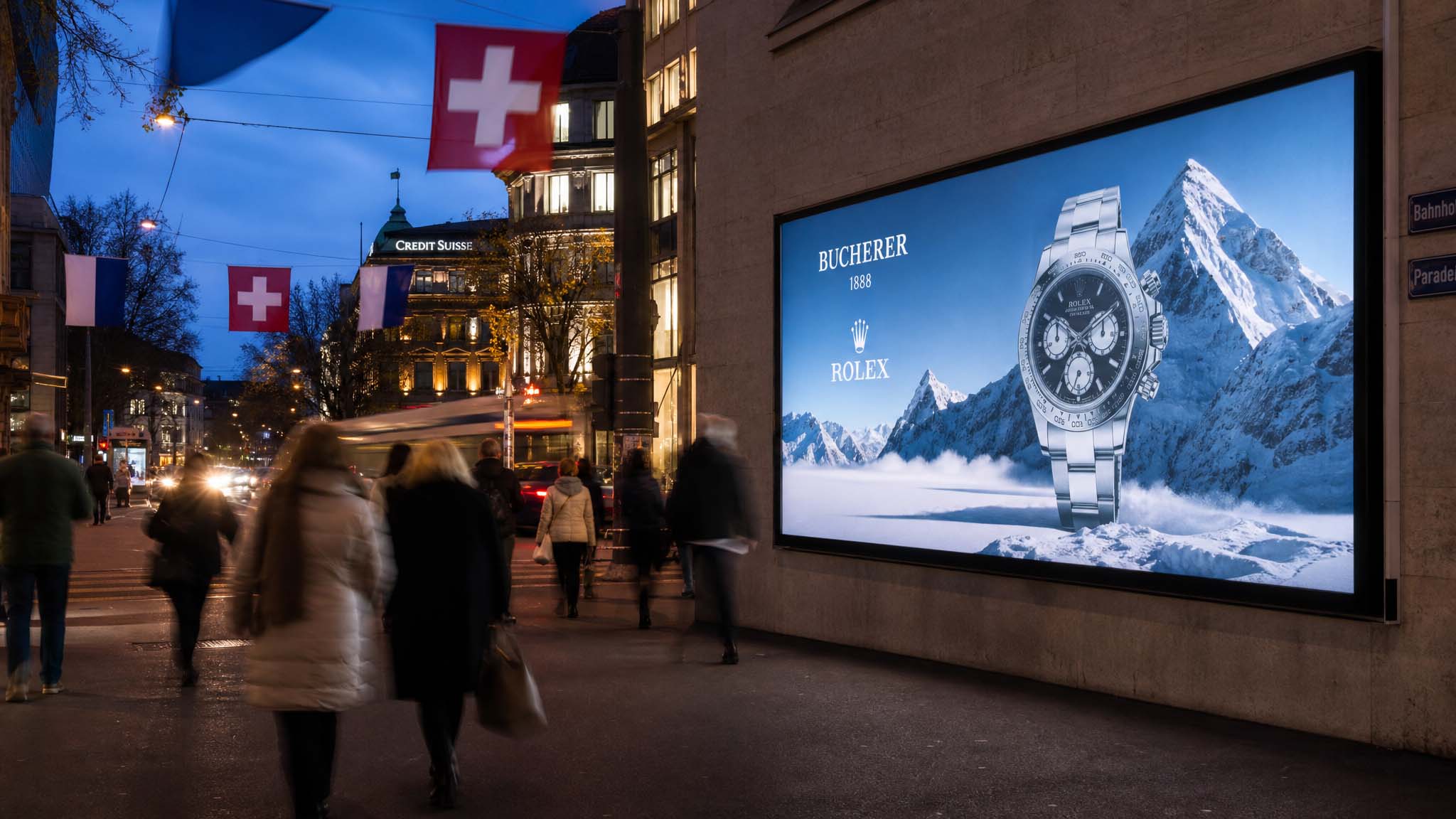
Brand design is the deliberate creation of the visual and emotional signals that define a brand's identity. It includes the logo, but also the colour palette, typography, imagery, graphic language, and the overall feeling these create together. The goal is not decoration. It is recognition and trust: a strong brand design makes a company instantly identifiable and signals that it is credible and worth choosing.
For Swiss businesses, this matters because the market rewards quality and consistency. A distinctive, coherent brand design helps a smaller company stand shoulder to shoulder with larger competitors, while an inconsistent or generic look quietly undermines confidence. Good brand design is an investment that compounds, since every touchpoint that looks and feels the same reinforces the same impression.
Brand Design vs. Logo vs. Corporate Design
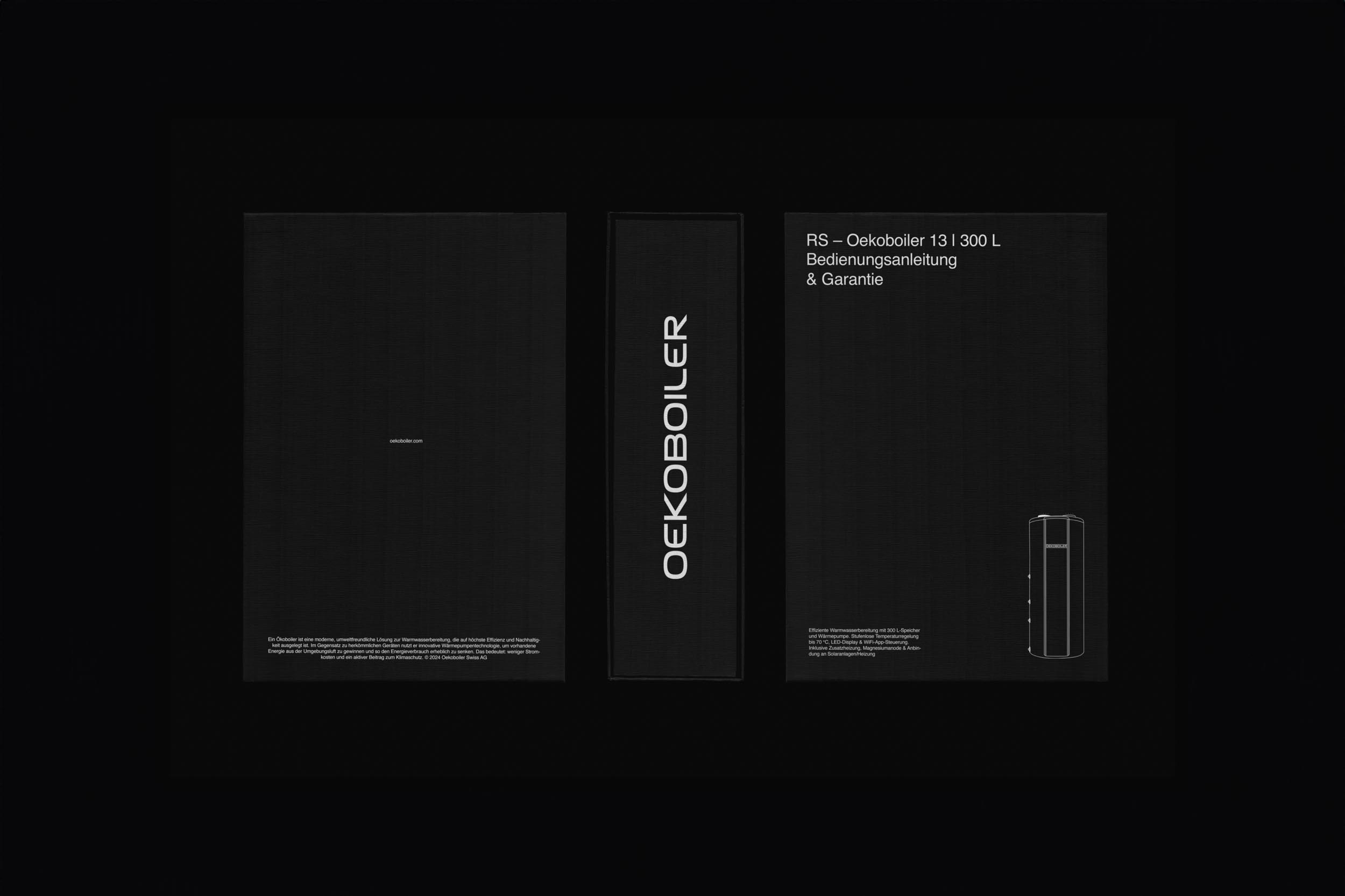
These terms overlap but are not the same. A logo is a single element, the visual mark that identifies a brand. Brand design is the broader system of visual and emotional choices that surround and extend that mark, including how it feels, not just how it looks. Corporate design is closely related and often used interchangeably, but it tends to emphasise the structured, documented visual system a company applies across all its materials.
A useful way to see it: the logo is one word, brand design is the language, and corporate design is the grammar that keeps that language consistent. Building only a logo without the surrounding system leaves a brand recognisable but thin. For the structured, documentation side specifically, see our handbook on corporate design.
Products are made in the factory, but brands are created in the mind.
What Makes a Brand Design Memorable?
Memorable brand design is rarely about a single clever idea. It comes from a few elements working together consistently:
- A distinctive logo: simple, recognisable, and legible at any size.
- A deliberate colour palette: a small set of colours used consistently becomes a recognition cue in its own right.
- Typography with character: type choices that fit the brand's personality and stay consistent across every channel.
- A coherent imagery style: a recognisable look and treatment for photography and graphics.
- A clear tone: the personality that ties the visuals to how the brand sounds and behaves.
The thread connecting all of these is consistency. A brand becomes memorable not because any one element is brilliant, but because the same signals appear, reliably, everywhere the audience encounters it.
How Do You Build a Strong Brand Design?
Strong brand design starts with understanding, not aesthetics. The process usually begins with research into the audience, the competition, and what the brand actually stands for. Only then does design begin, translating that strategic foundation into a logo, palette, typography, and visual language that are tested in real contexts rather than admired in isolation.
From there, the system is documented so it stays consistent as more people use it, and rolled out across every touchpoint. Rebrands deserve particular care: they are costly and risk the recognition already built, so a full redesign should follow a real shift in strategy or positioning rather than a passing desire for something new. The deeper strategic groundwork is covered in our guide to building a timeless brand.
How Do You Know If Your Brand Design Is Working?
Brand design is often treated as subjective, but its effects are visible. The clearest signal is recognition: do people identify your brand quickly and consistently across different contexts? Beyond that, a working brand design shows up in consistency, where every channel feels like the same company, and in distinctiveness, where the brand stands apart from competitors rather than blending in.
Over time, a strong brand design supports trust, makes marketing more efficient because each campaign reinforces a familiar identity, and lets the company command attention without shouting. If a brand feels inconsistent, forgettable, or interchangeable with its competitors, that is usually the signal that the brand design needs work. How this fits the wider Swiss market is covered in our guide to marketing in Switzerland.
Ready to give your brand a design that stands out in Switzerland?
At Collective Agency, we create brand designs that are distinctive, coherent, and built to last. Get in touch with our team for a no-obligation conversation about your brand.
This guide explains the craft of brand design and why it matters more than a logo alone for businesses competing in Switzerland. It clarifies how brand design differs from a logo and from corporate design, and identifies the elements that make a brand memorable: a distinctive logo, a deliberate colour palette, characterful typography, coherent imagery, and a clear tone, all held together by consistency. Readers learn the process of building a strong brand design, from research to rollout, and how to tell whether it is working through recognition, consistency, and distinctiveness. The core idea is that brands are built in the mind through repetition, not decoration.
What is brand design?
Brand design is the deliberate creation of the visual and emotional signals that define a brand, including the logo, colour palette, typography, imagery, and tone. Its purpose is recognition and trust, making a company instantly identifiable and credible across every touchpoint.
What is the difference between brand design and a logo?
A logo is a single visual mark that identifies a brand. Brand design is the broader system around it, including colour, typography, imagery, and tone, and how they make the brand feel. A logo identifies; brand design gives the brand a full identity.
What makes a brand memorable?
A distinctive logo, a consistent colour palette, characterful typography, a coherent imagery style, and a clear tone, all used consistently. A brand becomes memorable less through one brilliant element than through the same signals appearing reliably wherever people encounter it.
How do you build a strong brand design?
Start with research into the audience, competitors, and what the brand stands for, then translate that into a logo, palette, typography, and visual language tested in real use. Document the system for consistency and roll it out across every touchpoint.









Did you find this useful?
In this case, you might want to partner with us. To get started, give us a call or send us an email with the key details of your project—vision, scope, timeline, and budget. We’ll review whether we’re the right fit and get back to you shortly.
You can explore more articles in our Knowledge-Hub or browse our Portfolio.
