AI Content Creation Dominates the Feed

AI-generated content is becoming increasingly common in our daily lives. The advantages of automated assistance in editing or fully generating content are undeniable. But how do AI-generated contents affect indexing, visibility, and overall ranking on Google? Here’s what we’ve learned.

Modified on

by

var(--variable-Gytk_v1iq)

AI content creation is the production of brand imagery, video and copy with generative models, directed by the same art direction and brand rules that govern a classic shoot. It is not a filter laid over stock footage, and it is not a prompt typed into a tool without a plan. Open your feed and count the ads: much of what you scroll past is now made this way, not with a camera. In early 2026, 83% of ad executives said their company had deployed AI in the creative process, up from 60% in the 2024 wave of the same study, and 85% use it specifically for social ads (IAB and Sonata Insights, The AI Ad Gap Widens, 2026). This guide shows how AI content creation already shapes the paid-social feed, why it performs, what it looked like across four real campaigns we produced, where a human still matters, and how your brand can start. Our own approach lives on our AI content creation page.

Is AI content creation already taking over the feed?

Scroll for a minute and the odds are high that at least one ad in front of you never met a camera. The shift is fast, though the sharpest numbers come from very different kinds of sources.

Switzerland is not lagging here. A 2026 survey of around 200 marketing and sales leads across the German, French and Italian speaking regions found that roughly 80% of Swiss marketing teams use AI daily, rising to 85% in the German speaking part and falling to 71% in the French speaking part. A third of those teams already produce between 10 and 30% of their content with AI, and another third produce between 31 and 60% (Brandfinity, Swiss Marketing and HEG Fribourg, 2026). The same study found that 49% never measure the time they save, which is its own warning.

Ad platform Zocket, analysing 2.3 million AI-generated ads on its own platform, puts adoption among enterprise marketing teams at 8% in 2023 and 43% in 2025, rising to 58% among e-commerce and SaaS brands (Zocket, The State of AI Ad Creation, 2025). That is vendor data from a single platform, so read it as a direction of travel, not a market census. Video moved fastest inside that dataset: video grew from 3.2% to 12.7% of all AI-generated ads in one year.

The shift reaches past advertising. By the first quarter of 2026, 49.9% of newly published web articles were predominantly AI-generated, a share that has held at roughly half for five consecutive quarters (Graphite, 2026). Consumers have noticed either way. In IAB's 2026 study, 71% of Gen Z and Millennial consumers said they believe they have already seen an AI-created ad, up from 54% in 2024. AI content creation is not coming. It is already here.

Why does AI content creation win in paid social?

Paid social rewards speed, volume and relevance, and that is exactly where AI content creation is strong. On Zocket's platform, a video that cost 50 dollars and ten minutes to generate in 2024 now takes 60 to 90 seconds at one to three dollars (Zocket, 2025). That changes the economics of testing. Instead of one hero asset, a brand can ship twenty variants, learn what the feed responds to, and double down.

Three things change in practice:

  • Volume: twenty variants instead of one hero asset, so the feed decides what works rather than the meeting room.

  • Speed: a concept can be in market the same week it is approved, not six weeks later.

  • Range: formats, crops and sizes that were never worth their own shoot day become viable.

The agency side has moved with it. Forrester and the 4A's surveyed close to 200 agency decision makers at VP level or above in April 2026 and found that 90% of US marketing agencies now use generative AI, half of them agentic AI in execution. What they use it for is the revealing part: 81% name productivity as the main goal, 61% book AI as a cost of doing business, and only 6% treat it as a revenue line of its own (Forrester and the 4A's, 2026).

Early adopters in the Zocket report describe campaigns launching 35 to 45% faster and creative production costs falling by 22%, but those are self-reported figures, not audited benchmarks. What we can say from our own mandates is narrower and firmer: 86% lower content production costs, 75% shorter lead time from concept to launch, and ten times the creative output. The catch: this only holds when the work is directed, not just prompted.

83% of ad executives now say their company has deployed AI in the creative process, up from 60% in the 2024 study.

IAB and Sonata Insights, The AI Ad Gap Widens, January 2026

What does AI content creation look like across industries?

Numbers are one thing. Proof is another. Across four recent campaigns, we produced the creative end to end with AI content creation, on-brand and ready for paid social, in a fraction of a classic shoot. Here is what that looked like in four very different industries.

Aesthetics: For a clinic specialising in liposuction, we produced the entire campaign with AI. Model, lighting and retouch were fully generated, without a single day on set. The result is premium, on-brand creative, ready for paid social at a fraction of the usual effort.
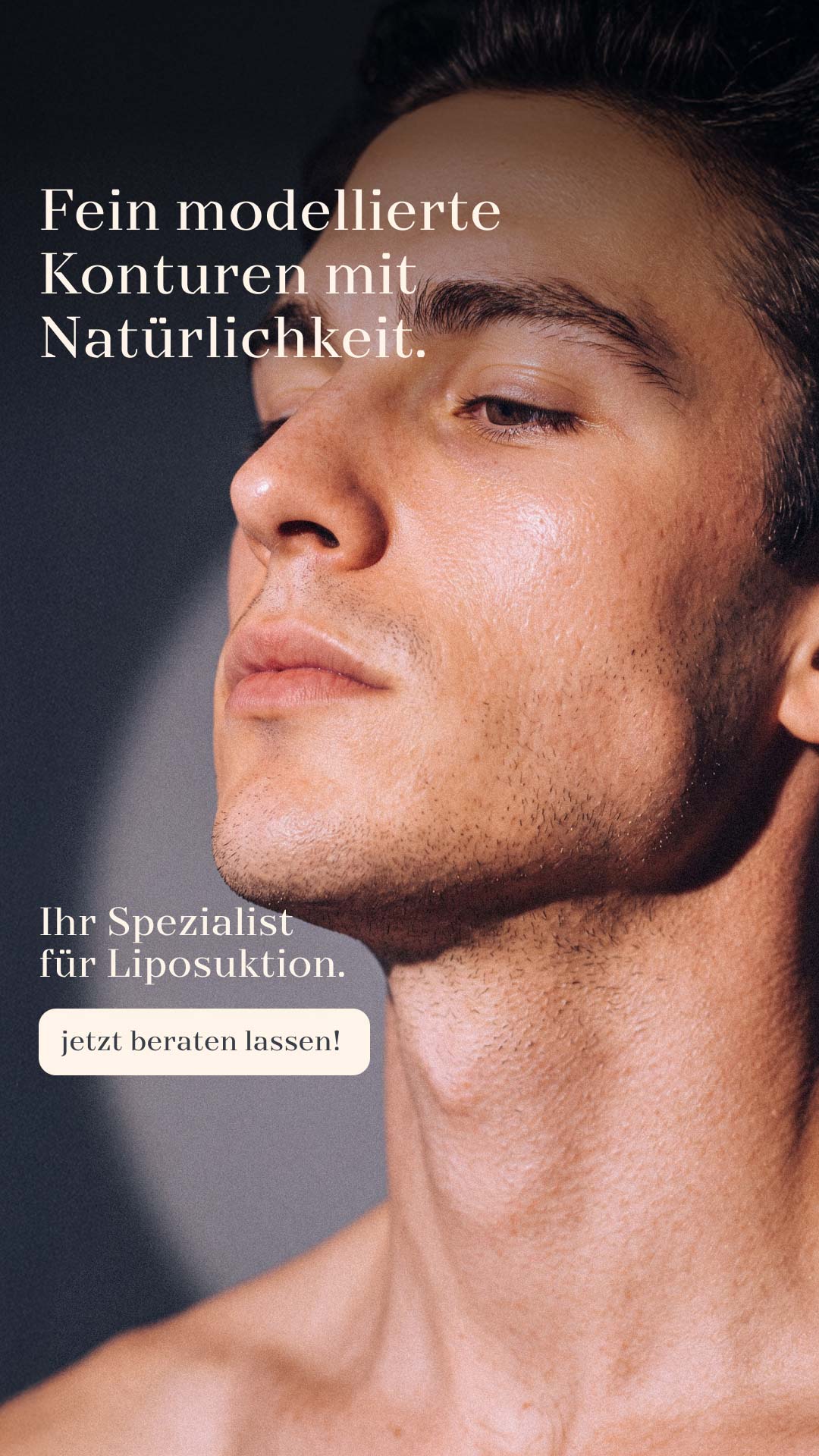
AI-generated campaign visual for an aesthetic clinic

Performance sport: For a performance-tennis brand, every frame was art directed with intent. Even the motion blur, which is hard and costly to capture in-camera, was generated with AI. That gave us dynamic, energetic imagery with full creative control.

AI-generated performance-tennis campaign visual

Fintech: Children, multiple people and changing scenes usually make a shoot slow and expensive. For a fintech brand, we generated these lifestyle scenes end to end, with no casting, no location and no crew, while keeping every image natural and true to the brand.

AI-generated lifestyle creative for a fintech brand

E-commerce: For an e-commerce hair-care brand, we built product visuals for advertising. Each image places the product in a clean, conversion-focused scene, consistent and easy to iterate across formats, giving the brand a full library of shopping-ready creative in a fraction of the time.

AI-generated product visual for an e-commerce hair-care brand

Where does AI content creation still need a human?

AI content creation is powerful, but it is not a vending machine. The campaigns above did not work because a tool was clever. They worked because someone directed them. Brand systems, casting logic, lighting and the small choices that make an image feel true still come from people.

There is also a perception gap worth taking seriously. IAB's 2026 study found that 45% of consumers feel positive about AI-generated advertising, while 82% of ad executives believe consumers feel that way, a gap of 37 points. Kantar measured the same asymmetry from the other side: 41% of consumers say AI-generated advertising annoys them, against 29% of marketers who expect it to (Kantar, 2025). The industry is more comfortable with this than its audience is.

Where AI still fails reliably:

  • Hands and fine motor detail, which remain the most common giveaway.

  • Text inside an image, so logos and packaging copy usually need a production step afterwards.

  • Material truth: specific fabrics, brushed metal, liquids and transparency often look almost right, which is worse than obviously wrong.

  • Face consistency across a whole campaign, which takes real work to hold.

  • Any factual claim in a regulated field, health, finance or food, which needs human verification before it goes near a media budget.

Dara Treseder, Chief Marketing and Commercial Officer at Autodesk, framed the shift this way: AI is raising the floor, but human ingenuity is what gives you a competitive advantage (Fortune, 2026). In the same piece, Donna Smith of Monks names the risk on the other side: audiences are getting very good at dismissing content that reads as machine-made.

The honest summary: AI removes the cost and time of production, not the need for taste and judgement. Treat it as a drafting engine with a creative director on top, and it delivers. Treat it as a shortcut around strategy, and the feed will punish it. This balance of direction and generation is something we cover in our guide to creativity in marketing.

How can Swiss brands start with AI content creation?

You do not need to rebuild your whole content operation to begin. A practical start looks like this:

  • Pick one funnel stage and one format, and leave the rest of your production running.

  • Feed the model your real brand assets and a written art direction, not a description of your brand.

  • Generate a batch of variants instead of one asset, then let the feed choose.

  • Keep a human in the loop for quality, brand and compliance before anything goes live.

  • Measure the time and cost you actually save, because half of Swiss teams never do.

For most Swiss brands this turns content from a bottleneck into a system that keeps the feed full without a shoot every month. The split usually settles on its own: AI for volume and iteration, classic production for the hero moments that carry the brand. If you want a partner for it, our AI content creation service builds art-directed AI systems for exactly this. For how AI-made content behaves in search, see our guide to Google indexing of AI content. What you owe in terms of disclosure and who owns the output is a separate matter, covered in our guide to AI images and the law in Switzerland.

Ready to make AI content creation work for your feed?

At Collective Agency, we produce on-brand, art-directed creative with AI content creation, built for paid social and delivered in a fraction of the time. Get in touch with our team for a no-obligation conversation about your next campaign.

AI has fundamentally transformed marketing agencies, but the industry risks mistaking efficiency for effectiveness.

Jay Pattisall, VP and Principal Analyst, Forrester, 2026

Summary

AI content creation has moved from novelty to default: by early 2026, most advertisers build AI into their creative process and the majority use it for social ads. This guide explains how AI already shapes the paid-social feed, why it performs (faster launches, lower production cost, more variants to test), and what it looked like across four real campaigns in cosmetics, sport, fintech and e-commerce. It is honest about the limits too: AI removes the cost of production, not the need for art direction, brand judgement and human review. It closes with a practical path for Swiss brands to start with AI content creation without losing quality.

FAQ

Title

Is AI content creation really used in real ad campaigns?

Yes. By early 2026, 83% of ad executives said their company had deployed AI in the creative process and 85% used it for social ads (IAB and Sonata Insights, 2026). We have produced full campaigns with AI content creation across cosmetics, sport, fintech and e-commerce, on-brand and ready for paid social.

Does AI-generated content perform as well as a classic shoot?

Often it performs better, when it is properly art directed. The gain comes from testing many variants quickly, not from the tool alone. Across our own mandates, art-directed AI content cut production costs by 86% and lead time by 75%, while lifting interaction by 12%.

How much faster and cheaper is AI content creation?

Early adopters report campaigns launching 35 to 45% faster and creative production costs falling by 22% once AI is in the workflow (Zocket, 2025, vendor data). On our own mandates we see 86% lower production costs and 75% shorter lead time from concept to launch.

Does AI content creation replace photographers and creative teams?

No. It replaces the slow, expensive production step, not the thinking. Brand strategy, art direction, casting logic and human review still decide whether an asset works. The best results come from AI plus a creative director, not AI alone.

Which formats work best for AI content in paid social?

Static product and lifestyle visuals are the easiest win, because that is where variant testing pays off fastest. Short vertical video is the fastest-growing use: inside Zocket's platform data, video went from 3.2% to 12.7% of all AI-generated ads in a single year. The harder formats are anything needing a recognisable spokesperson across many assets, or on-screen text that has to be exactly right. Start where the format tolerates iteration and move up from there.

Do audiences reject ads once they notice they are AI-made?

Awareness is high: 71% of Gen Z and Millennial consumers say they believe they have already seen an AI-created ad, up from 54% in 2024. But the evidence points at quality rather than provenance as the thing that gets punished. As Donna Smith of Monks put it, audiences are getting very good at dismissing content that reads as machine-made. The reaction is to blandness, not to the tool. Well-directed work does not trigger it.

How do you keep AI content on-brand across many variants?

Three things do the work. A defined visual system, so there is something concrete to generate against. Prompt frameworks that encode that system, rather than starting from a blank prompt each time. And a curated reference library built from your real assets, so the model has your brand as input and not just a description of it. Variant volume without these three produces twenty inconsistent images, which is worse than one good one.

Do we need to label AI-generated ads in Switzerland?

Switzerland has no general labelling duty for AI-generated advertising today. Two things still apply. The EU AI Act introduces transparency obligations for synthetic content from 2 August 2026, relevant as soon as a campaign serves the EU. And the ad platforms set their own disclosure rules, particularly around political advertising and realistic depictions of people. Check the requirement per market and per platform before launch, and take binding advice from legal counsel.

How many creative variants should we actually test?

Enough that the feed can tell you something, which in practice means tens rather than a handful. The economics allow it now: on Zocket's platform a video that cost 50 dollars and ten minutes in 2024 takes 60 to 90 seconds at one to three dollars. Across our own mandates, creative output rose ten-fold. The constraint is no longer production cost, it is your ability to read the results and kill the losers quickly.

How do we start without replacing our current production setup?

You do not replace anything at the start. Pick one funnel stage and one format, keep your existing production running, and add AI alongside it for the part that needs volume. Feed the model your real brand assets and a clear art direction, generate a batch instead of one asset, test in the feed, and scale only what works. Most brands find the split settles on its own: AI for volume and iteration, classic production for the hero moments that carry the brand.

Is AI content creation really used in real ad campaigns?

Yes. By early 2026, 83% of ad executives said their company had deployed AI in the creative process and 85% used it for social ads (IAB and Sonata Insights, 2026). We have produced full campaigns with AI content creation across cosmetics, sport, fintech and e-commerce, on-brand and ready for paid social.

Does AI-generated content perform as well as a classic shoot?

Often it performs better, when it is properly art directed. The gain comes from testing many variants quickly, not from the tool alone. Across our own mandates, art-directed AI content cut production costs by 86% and lead time by 75%, while lifting interaction by 12%.

How much faster and cheaper is AI content creation?

Early adopters report campaigns launching 35 to 45% faster and creative production costs falling by 22% once AI is in the workflow (Zocket, 2025, vendor data). On our own mandates we see 86% lower production costs and 75% shorter lead time from concept to launch.

Does AI content creation replace photographers and creative teams?

No. It replaces the slow, expensive production step, not the thinking. Brand strategy, art direction, casting logic and human review still decide whether an asset works. The best results come from AI plus a creative director, not AI alone.

Which formats work best for AI content in paid social?

Static product and lifestyle visuals are the easiest win, because that is where variant testing pays off fastest. Short vertical video is the fastest-growing use: inside Zocket's platform data, video went from 3.2% to 12.7% of all AI-generated ads in a single year. The harder formats are anything needing a recognisable spokesperson across many assets, or on-screen text that has to be exactly right. Start where the format tolerates iteration and move up from there.

How do you keep AI content on-brand across many variants?

Three things do the work. A defined visual system, so there is something concrete to generate against. Prompt frameworks that encode that system, rather than starting from a blank prompt each time. And a curated reference library built from your real assets, so the model has your brand as input and not just a description of it. Variant volume without these three produces twenty inconsistent images, which is worse than one good one.

Do we need to label AI-generated ads in Switzerland?

Switzerland has no general labelling duty for AI-generated advertising today. Two things still apply. The EU AI Act introduces transparency obligations for synthetic content from 2 August 2026, relevant as soon as a campaign serves the EU. And the ad platforms set their own disclosure rules, particularly around political advertising and realistic depictions of people. Check the requirement per market and per platform before launch, and take binding advice from legal counsel.

How many creative variants should we actually test?

Enough that the feed can tell you something, which in practice means tens rather than a handful. The economics allow it now: on Zocket's platform a video that cost 50 dollars and ten minutes in 2024 takes 60 to 90 seconds at one to three dollars. Across our own mandates, creative output rose ten-fold. The constraint is no longer production cost, it is your ability to read the results and kill the losers quickly.

How do we start without replacing our current production setup?

You do not replace anything at the start. Pick one funnel stage and one format, keep your existing production running, and add AI alongside it for the part that needs volume. Feed the model your real brand assets and a clear art direction, generate a batch instead of one asset, test in the feed, and scale only what works. Most brands find the split settles on its own: AI for volume and iteration, classic production for the hero moments that carry the brand.

Is AI content creation really used in real ad campaigns?

Yes. By early 2026, 83% of ad executives said their company had deployed AI in the creative process and 85% used it for social ads (IAB and Sonata Insights, 2026). We have produced full campaigns with AI content creation across cosmetics, sport, fintech and e-commerce, on-brand and ready for paid social.

Does AI-generated content perform as well as a classic shoot?

Often it performs better, when it is properly art directed. The gain comes from testing many variants quickly, not from the tool alone. Across our own mandates, art-directed AI content cut production costs by 86% and lead time by 75%, while lifting interaction by 12%.

How much faster and cheaper is AI content creation?

Early adopters report campaigns launching 35 to 45% faster and creative production costs falling by 22% once AI is in the workflow (Zocket, 2025, vendor data). On our own mandates we see 86% lower production costs and 75% shorter lead time from concept to launch.

Does AI content creation replace photographers and creative teams?

No. It replaces the slow, expensive production step, not the thinking. Brand strategy, art direction, casting logic and human review still decide whether an asset works. The best results come from AI plus a creative director, not AI alone.

Which formats work best for AI content in paid social?

Static product and lifestyle visuals are the easiest win, because that is where variant testing pays off fastest. Short vertical video is the fastest-growing use: inside Zocket's platform data, video went from 3.2% to 12.7% of all AI-generated ads in a single year. The harder formats are anything needing a recognisable spokesperson across many assets, or on-screen text that has to be exactly right. Start where the format tolerates iteration and move up from there.

How do you keep AI content on-brand across many variants?

Three things do the work. A defined visual system, so there is something concrete to generate against. Prompt frameworks that encode that system, rather than starting from a blank prompt each time. And a curated reference library built from your real assets, so the model has your brand as input and not just a description of it. Variant volume without these three produces twenty inconsistent images, which is worse than one good one.

Do we need to label AI-generated ads in Switzerland?

Switzerland has no general labelling duty for AI-generated advertising today. Two things still apply. The EU AI Act introduces transparency obligations for synthetic content from 2 August 2026, relevant as soon as a campaign serves the EU. And the ad platforms set their own disclosure rules, particularly around political advertising and realistic depictions of people. Check the requirement per market and per platform before launch, and take binding advice from legal counsel.

How many creative variants should we actually test?

Enough that the feed can tell you something, which in practice means tens rather than a handful. The economics allow it now: on Zocket's platform a video that cost 50 dollars and ten minutes in 2024 takes 60 to 90 seconds at one to three dollars. Across our own mandates, creative output rose ten-fold. The constraint is no longer production cost, it is your ability to read the results and kill the losers quickly.

How do we start without replacing our current production setup?

You do not replace anything at the start. Pick one funnel stage and one format, keep your existing production running, and add AI alongside it for the part that needs volume. Feed the model your real brand assets and a clear art direction, generate a batch instead of one asset, test in the feed, and scale only what works. Most brands find the split settles on its own: AI for volume and iteration, classic production for the hero moments that carry the brand.

Related Articles